
Strengthening Innovation and Compliance Across Pharma, Medical China Regulatory and Cosmetics

China continues to advance its life sciences regulatory framework with a strong emphasis on balancing innovation and regulatory oversight. Recent updates issued by the National Medical Products Administration (NMPA) and the Center for Drug Evaluation (CDE) introduce new clinical evaluation guidance for pharmaceuticals and enhanced technical standards for cosmetic ingredients. These measures signal a continued shift toward life cycle-based regulation, scientific consistency, and higher quality standards across regulated products.
Strengthening Innovation and Compliance Across Pharma, Medical China Regulatory and Cosmetics

China’s National Medical Products Administration (NMPA) has introduced major regulatory updates across pharmaceuticals, medical devices, and cosmetics, emphasizing innovation, lifecycle supervision, and strengthened technical standards. These changes reflect China’s push toward a more predictable, science‑driven regulatory environment that supports development while reinforcing compliance.
Regulatory Revolution in Japan: The New Pathway for “Specific Use Drugs” in 2026

In 2026, Japan is implementing a structural change in its drug designation process. The new workflow allows companies to apply for the “Drug for Specific Use” classification directly to the PMDA (Pharmaceuticals and Medical Devices Agency), eliminating previous ministerial bureaucratic hurdles and accelerating the arrival of treatments for rare and critical diseases in the Japanese market.
PMDA Modernizes Drug Approvals: The Strategic Rise of Real-World Data (RWD) in Japan
The PMDA’s recent transition to a more agile, data-driven approval model. The focus is on how the integration of ‘real-world’ evidence is redefining access to the Japanese market for global pharmaceutical companies.
Blog – Understanding the Registration Process of Cosmetics with Brazil’s Anvisa

Before starting the registration process in Brazil, it is essential that the company complies with all regulatory requirements. This involves obtaining the Operating License/Authorization from the local health surveillance agency and the AFE/AE from Anvisa.
Health Product Labelling Requirements for Imported Products into Brazil
The import of Health products into Brazil is subject to various regulations, with proper labelling being a crucial part of this procedure. These regulations cover the current standards for labelling imported products, outlining the responsibilities of importers and the essential elements that must be included on labels.
Japan’s MHLW Publishes New Quality Standards for Quasi-Drugs
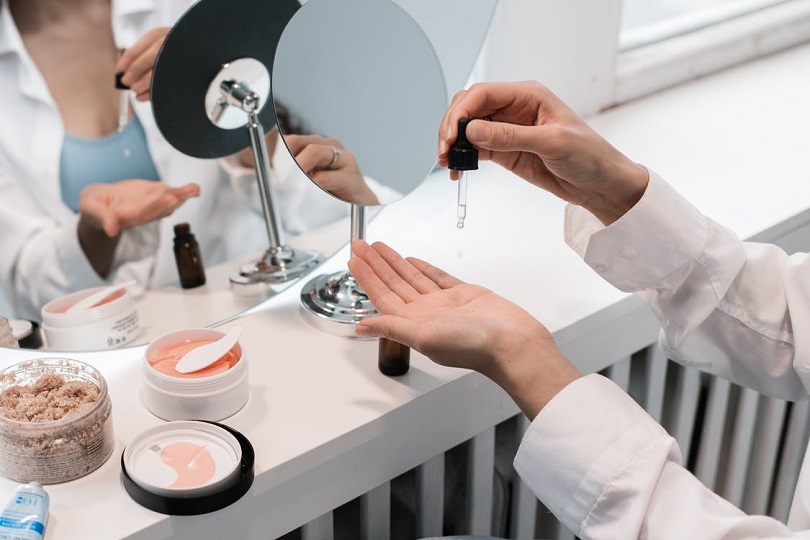
On October 2022, the Japanese Ministry of Health, Labour and Welfare (MHLW) has published new quality standards and specifications of 2,647 ingredients and additives that can used in Quasi-drugs.
Brazil’s Anvisa authorizes Remdesivir for Pediatric- Use in the treatment of Covid-19

Anvisa approved, on Monday (11/21), the extension of use of the antiviral drug Remdesivir for pediatric use in the treatment of Covid-19.
Brazil’s ANVISA Approves new Normative for the Registration of New and Innovative Medicines

On October 2022 Anvisa publishes approval measures for the registration of new and innovative medicines in Brazil
Brazil’s ANVISA Announces Medical Device Registration 2022 Updates

ANVISA Brazil announced in early September 2022 important updates to its Collegiate Directorate Resolution (RDC) 185/2001.
The changes strengthen the country’s medical device registration regulations on the effective date of March 1, 2023.
CHINA’S HAINAN BOAO PILOT ZONE OPENS SPECIAL ACCESS FOR NEUROLOGICAL INNOVATIVE PRODUCTS

GRP’s Special program for Accelerated Market Access to China is offered to Foreign Pharmaceutical, Biotech and MedTech companies that have innovative products that are already approved in USA and/or EU or Japan
REGISTRATION OF DRUG MASTER FILE (DMF) IN JAPAN

In Japan, the Drug Master File (DMF) is called “Master File” or “MF”. The Purpose of DMF is to protect the “know-how” of API manufacturing methods against the marketing authorization applicant (MAA) / holder (MAH) of pharmaceutical products. The foreign manufacturers of APIs can apply for DMF registration.